
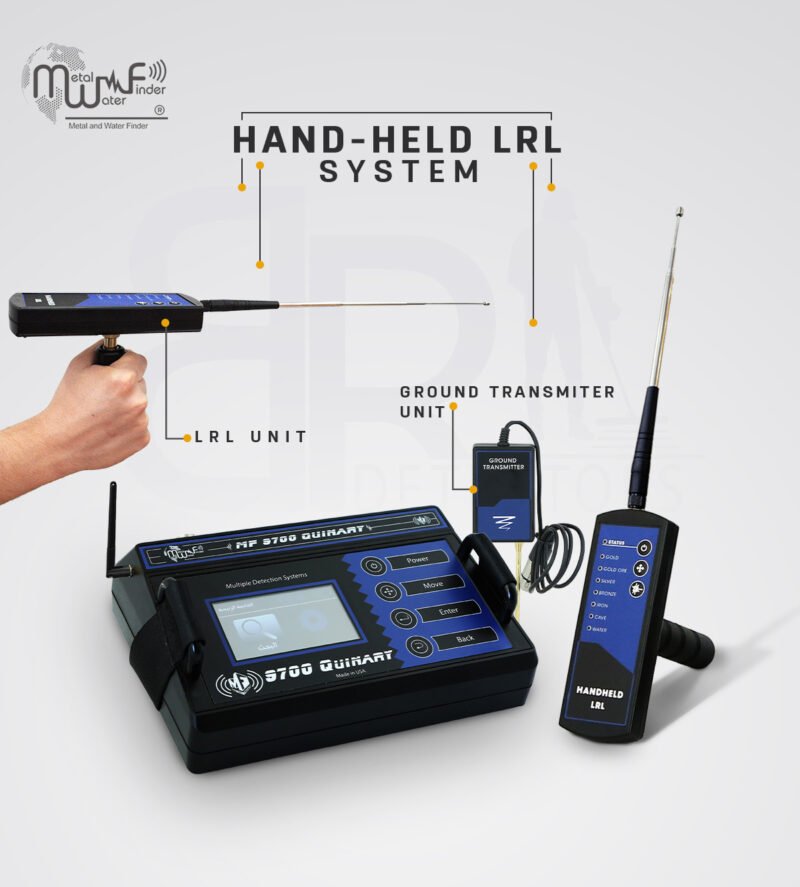
Water has always been one of the most valuable resources for humanity, not only for survival but also for exploration and settlement. For modern explorers, geologists, archaeologists, and even farmers, locating underground water is a crucial task that often determines the success of their projects. Traditional methods like drilling test wells can be expensive and uncertain. This is where underground water detectors come in, offering advanced, science-driven solutions that help identify hidden water sources with accuracy and efficiency.
Over the past few years, I’ve spoken to explorers and professionals who rely on detection technology in challenging terrains. Many point out that underground water detectors have completely changed how they plan expeditions, scout locations, and optimize resources. Their benefits extend beyond convenience—they often mean the difference between failure and success in remote or demanding environments.
Precision Detection in Challenging Terrains
One of the strongest advantages of underground water detectors is their ability to work effectively in places where guesswork simply isn’t enough. In deserts, rocky regions, or mineral-rich soils, the chance of striking water by chance is slim. Detectors use advanced geophysical technologies such as radar, resistivity, and electromagnetic scanning to identify underground aquifers, streams, and water-bearing layers.
Explorers often compare these tools with metal detectors because both rely on scanning technologies to sense what lies beneath the surface. But water detectors are engineered with specialized algorithms that help separate water signatures from surrounding soil or rock. This precision saves valuable time and prevents costly drilling mistakes, particularly in projects where budgets and resources are tight.
Supporting Archaeological and Geological Expeditions
In archaeology, underground water can reveal more than a drinking source. Ancient civilizations often settled near rivers, wells, and aquifers. By detecting hidden water, archaeologists can map out potential habitation sites, discover ruins, or understand historical migration patterns.
Geologists also rely on underground water detectors to map hydrological networks. For them, the value isn’t just in finding water, but in studying how it flows, how it affects rock formations, and how it impacts environmental sustainability. The insights provided by detectors are crucial for both scientific discovery and practical application.
Cost-Effective Exploration
The financial benefit of water detection technology cannot be overstated. Drilling without certainty often leads to wasted funds and labor. An underground water detector allows explorers and organizations to make informed decisions, targeting their efforts with much higher success rates.
This makes them especially valuable for NGOs and development organizations working in rural communities where resources are limited. Instead of relying on trial and error, detectors provide data-backed confidence before the first drill touches the ground.
Enhancing Safety for Explorers
Safety is another overlooked advantage of underground water detectors. In some regions, explorers may encounter natural hazards such as sinkholes or unstable ground conditions linked to underground voids. Modern detectors can highlight anomalies beneath the surface, alerting users to potential dangers before accidents happen.
This protective aspect is especially important during expeditions in remote or unfamiliar locations, where rescue operations might not be readily available. Having reliable equipment minimizes risks and ensures explorers can focus on their goals without unnecessary danger.
A Valuable Tool for Agriculture and Sustainability
Farmers and agricultural planners also benefit from underground water detectors. Accessing underground water is vital for irrigation, particularly in arid or semi-arid regions. By using detectors, farmers can identify reliable sources and manage water extraction responsibly.
From a sustainability perspective, detectors help prevent over-drilling and depletion of aquifers. With water scarcity becoming a growing global concern, the ability to manage underground reserves efficiently is more important than ever.
Real-World Success Stories
I’ve come across stories from explorers in the Middle East and Africa who successfully identified water reserves in desert regions thanks to advanced detection systems. These discoveries not only supported expeditions but also provided long-term benefits for local communities.
Similarly, European archaeological teams have used underground water detectors to uncover ancient wells and settlement patterns, linking their findings to historical records. Each of these success stories highlights how the technology extends beyond exploration into real contributions for science, culture, and society.
The Future of Underground Water Detection
As technology continues to evolve, underground water detectors are becoming more portable, accurate, and user-friendly. Future models are expected to integrate artificial intelligence, offering real-time analysis and even predictive mapping of underground water flows. For explorers, this means fewer limitations and more possibilities, whether they’re searching in deserts, mountains, or fertile valleys.
This progress also opens opportunities for collaboration across fields. Archaeologists, geologists, engineers, and even humanitarian workers can use the same technology for different goals, but all benefit from the enhanced accuracy and efficiency these devices deliver.
Final Thoughts
Underground water detectors are more than just tools for finding water—they are critical companions for explorers, scientists, and communities. They combine precision, cost-effectiveness, and safety in ways that transform the exploration process. From supporting archaeological research to improving agricultural sustainability, these detectors prove their value time and again in real-world applications.
For professional explorers, they represent not just an advantage but a necessity in today’s demanding environments. As technology advances, their role will only grow stronger, making them one of the most essential instruments in modern exploration.