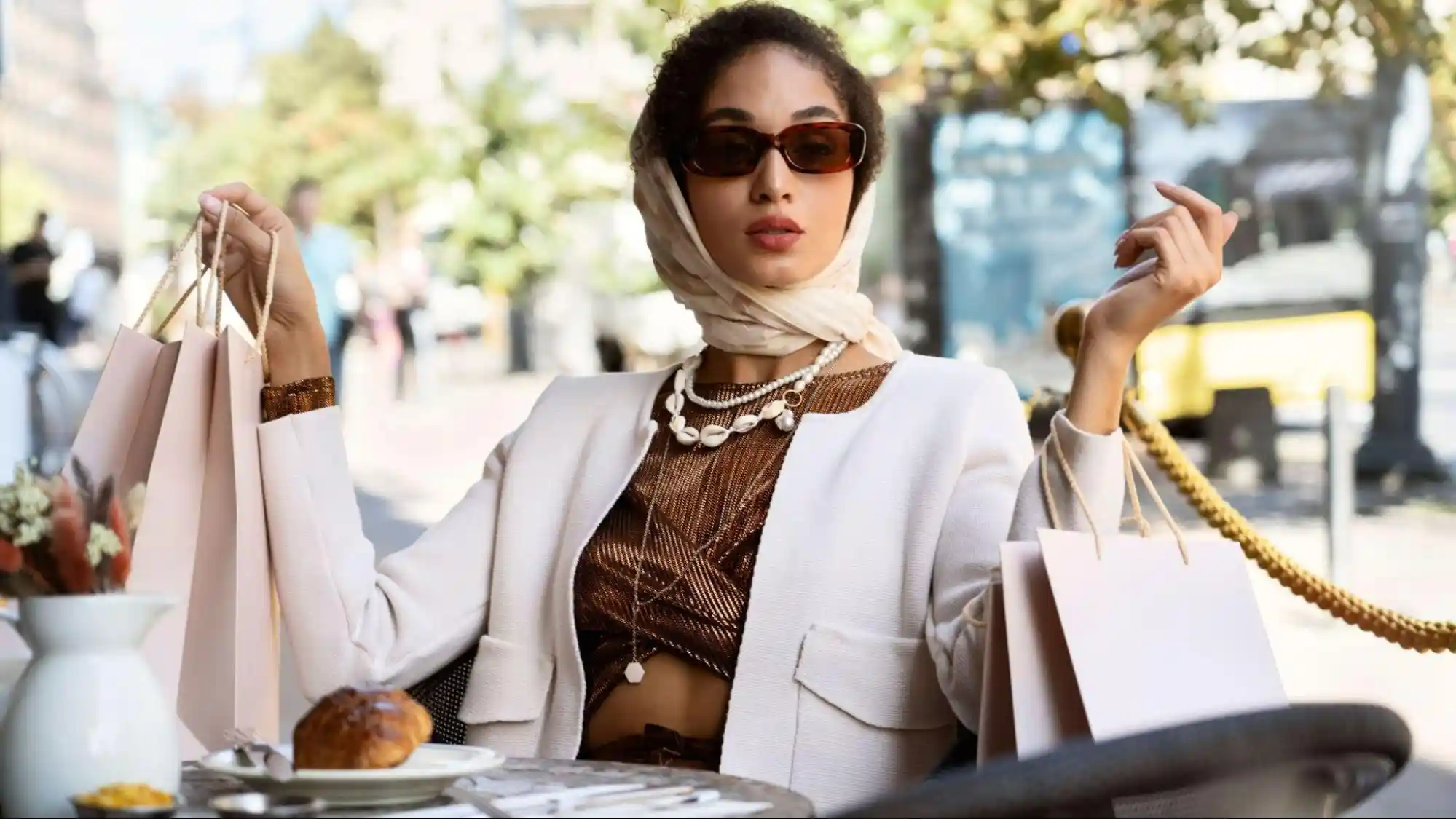
The United Arab Emirates boasts a culture of fashions that unite both history and luxurious nature. The questions appearing behind this glamour include: Where was the outfit made? What materials were used? Does it respect our planet?
It is these questions that are rewriting the story. Virgio, a sustainable fashion brand in UAE, leads this shift by redefining how style meets responsibility.
Why the Shift Is Happening
The world discourse on the effects of fashion is very apparent: fast fashion consumes water, generates landfills and introduces toxic chemicals.
UAE shoppers are not just aware, but they also do. Dubai, Sharjah, and Abu Dhabi consumers visit the stores in search of quality and buy products that are long-lasting rather than short-lived trends.
UAE Eco-Friendly Famous Fashions
Sustainable fashion brand in UAE is not the only fashionable trend anymore, but a way of life. Dubai is also branding itself as an innovation center, and Abu Dhabi has bold sustainability targets, which provide a real impetus to environmentally friendly clothing.
The fashions and fabrics that are causing the most buzz throughout the region are as follows:
Organic Cotton Styles
UAE shoppers have adopted organic cotton in the quest to stay comfortable and guilt-free. This type of clothing is produced in the form of dresses and shirts, which are comfortable to wear in the desert and are also presentable on a casual outing or even during a business meeting.
The cotton is produced using less water and reduced pesticides, hence it fulfills the fashion and environmental objectives.
Linen and Heritage Handloom
Linen, which is highly valued due to its cooling effects, has been introduced in the wardrobes of those living in Dubai and Sharjah. It is slim and sleek and can be worn to work, nighttime events, and parties.
The traditional handloom products are being revised with modern cuts, and thus, the inhabitants can have a feel of tradition without falling behind.
Re-modeled Outerwear with a Twist
Upcycling recycles jackets into reworked jackets and converts used materials into bags in the Emirates. These items minimise waste and come with distinct flair. The younger shoppers are targeted, and the trend attracts them to make a statement that is fashionable and mindful.
Eco‑conscious Accessories
The UAE accessories are also undergoing a sustainable redo. Plant-based leather substitutes in the form of handbags, recycled fabrics in the form of belts and scarves, enhance attire but do not harm the planet.
They are seamlessly integrated with the fact that the area favors and embraces sophistication, and demonstrates that ethical fashion does not make them waver in terms of luxury.
More Than Just Clothes
Sustainable fashion is not a buzzword. It implies clothes that are not only breathable but also comfortable in the desert, do not lose their beauty after repeated use, and are sophisticated but modest. Dressing is also an actual manifestation of our identity, not a thing of clothing on the body.
Creating Global and Local Taste Blend
Sustainable UAE brands merge across the world, including organic cotton, polyester, which is repackaged, fair trade and local preference, which demands refinement and cultural suitability. What has been achieved is collections that appear to be prepared to take one out during an evening, but can be worn on a daily basis.
Awareness of Customers
Consumers drive change. They study, contrast, and select the items that conform to their ethics. The subject of choices is amplified by social media, which transforms any buying decision into a statement. It is no longer a luxury, and brands are open about the origin of every piece.
A Future Written in Fabric
UAE fashion narrative has never been conservative. Sustainability today renders a new meaning to such an aspiration. The labels that the shoppers will use, which are eco-friendly, will move the industry to higher levels of responsibility and a cleaner operation.
A purchase is a vote to the silent evidence of change; style and conscience do not have to be opposing.
Conclusion
Sustainability in fashion is a developing movement that reflects growing awareness of environmental impact rather than just a fad. Customers are choosing apparel that minimises damage to the environment and is in line with ecological considerations.
As a result, fashion brands are increasingly using environmentally friendly materials and ethical production practices in all of their collections.
VIRGIO illustrates how sustainable practices can align with modern design and eco-friendly materials.