Introduction
Living in the United Arab Emirates means enjoying beautiful sunny days, but it also means dealing with sudden weather changes. Severe weather events frequently sweep across the region, bringing heavy dust particles and low visibility. While humans quickly head indoors and seal their homes, pet owners must take extra precautions to protect their fur babies. Dust and fine sand present major health risks to animals, particularly affecting their eyes, skin, and breathing pathways. Knowing How to Protect Pets During UAE Sandstorms: Respiratory Care Guide is essential for every responsible dog and cat owner in Dubai, Abu Dhabi, and across the emirates.
Dust storms carry microscopic silica, particulate matter, toxins, and environmental allergens that lodge deep inside an animal’s lungs. Dogs and cats have sensitive respiratory systems that react strongly to airborne debris. Exposed animals can develop acute distress, secondary infections, or severe allergic reactions within a short timeframe. By taking proactive steps to safeguard your home environment and modifying daily routines, you can keep your companions safe and healthy during severe weather. This guide breaks down effective strategies for shielding your pet from respiratory harm when severe dust strikes.
Understanding Sandstorm Risks to Pet Respiratory Systems
When a storm hits, fine mineral dust suspended in the air becomes a major health hazard. Pets inhale these microscopic particles through their noses and mouths during normal breathing. Larger particles get trapped in upper airways, causing coughing, sneezing, and throat irritation. However, ultrafine particles penetrate deep into bronchial tubes and lung tissues.
Breathing in coarse dust causes inflammation along the respiratory tract, leading to excessive mucus production. Pets with existing conditions like feline asthma or canine bronchitis suffer immediate flare-ups. Young puppies, kittens, and senior pets possess weaker immune systems, making them highly vulnerable. Understanding these risks helps owners recognize why preventative care is critical when atmospheric dust levels spike.
Brachycephalic Breeds and High Risk Animals
Flat-faced breeds require intense monitoring during dusty weather conditions due to their unique anatomy. Dogs like Bulldogs, Pugs, Shih Tzus, and French Bulldogs naturally struggle with restricted airways. Cats such as Persians and Exotic Shorthairs share similar anatomical challenges. Their shortened nasal passages cannot effectively filter out fine sand particles.
Animals suffering from chronic heart disease or pre-existing respiratory illnesses also face extreme risks. Dust inhalation forces their hearts and lungs to work much harder to obtain oxygen. Owners of high-risk pets must maintain strict indoor containment during dust advisories. Recognizing your pet’s individual risk factors allows you to prepare appropriate medical and environmental safeguards.

Creating a Dust Free Indoor Safe Zone
To protect your pet during severe weather, you must create a clean indoor sanctuary. Close all windows, doors, and balcony access points tightly as soon as dust warnings are issued. Use weather stripping or place damp towels along door bottoms to seal gaps where sand sneaks inside.
Running high-efficiency particulate air purification units helps clear circulating dust particles inside your home. Set your central air conditioning system to recirculate mode so it does not draw dusty air from outdoors. Regularly clean and upgrade AC filters during peak dust seasons to ensure clean airflow throughout your living space.
Adjusting Outdoor Walks and Daily Routines
Daily outdoor exercise routines must adapt immediately when visibility drops and dust clouds form. Avoid taking dogs outside for long walks, runs, or play sessions during active weather warnings. Limit outdoor trips strictly to short relief breaks on grassy areas away from high winds.
Schedule necessary bathroom breaks during early morning or late evening hours when wind speeds typically decrease. If your dog resists indoor bathroom alternatives, consider using artificial turf pads indoors during severe multi-day events. Keeping physical exertion to a minimum reduces rapid breathing, which minimizes the total volume of inhaled particulate matter.
Recognizing Respiratory Distress Symptoms in Pets
Recognizing early warning signs of respiratory trouble can save your pet’s life during extreme weather. Excessive sneezing, persistent coughing, and nasal discharge indicate that dust has irritated the upper airways. You may also notice watery, red eyes or frequent eye rubbing as sand irritates ocular tissues.
More severe signs require urgent action, including rapid breathing, open-mouth breathing in cats, or heavy panting in dogs. Look closely at your pet’s gums and tongue to check for pale or bluish discoloration, which signals lack of oxygen. Wheezing noises, lethargy, loss of appetite, and visible chest distress mean your pet needs immediate professional medical care.
Post Exposure Grooming and Eye Care
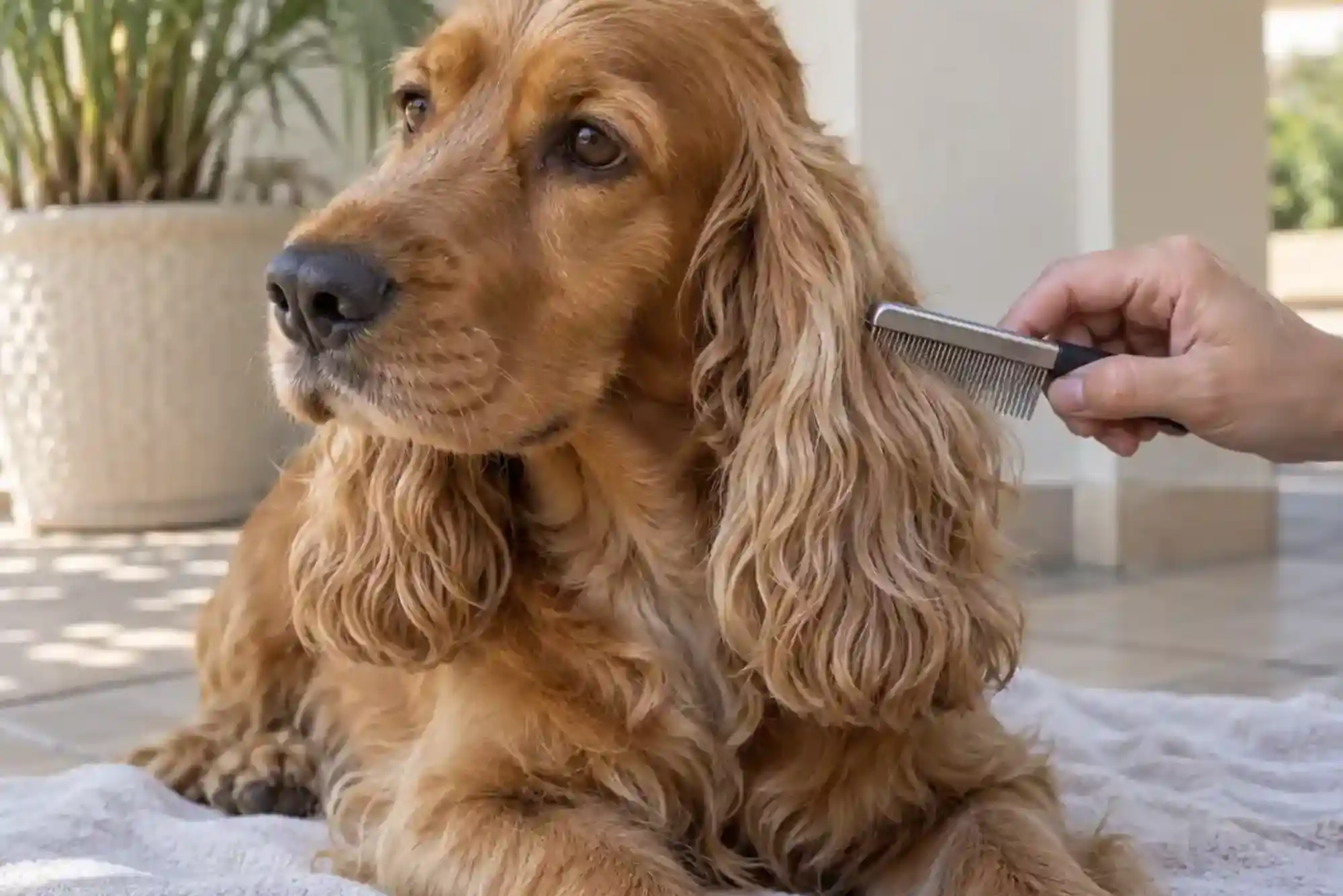
If your pet goes outside during dusty conditions, perform thorough post-exposure hygiene right away. Wipe down their coat, paws, face, and belly with a damp microfiber cloth to remove trapped dust particles. This prevents your pet from licking sand off their fur during self-grooming.
Flush your pet’s eyes gently with sterile saline solution if they show signs of dust irritation. Clean inside their ears carefully using a veterinarian-approved ear cleaner to remove fine dust build-up. Regular grooming wipes down the outer defense layers, keeping airborne particles from entering your home sanctuary.
Hydration and Respiratory Tract Health
Proper hydration plays a major role in protecting your pet’s delicate lung lining from dust irritation. Water maintains healthy mucus membranes in the nose and throat, which naturally trap inhaled debris. Ensure fresh, clean drinking water is easily accessible in multiple locations around your house at all times.
You can boost moisture intake by adding water or sodium-free bone broth to dry food, or by feeding wet canned meals. Running a cool-mist humidifier near your pet’s sleeping area adds essential moisture to dry indoor air. Adequate humidity soothes irritated respiratory passages and helps your pet’s body clear trapped dust naturally.
Essential Emergency Supplies for UAE Pet Owners
Every pet household in the region should maintain a dedicated emergency care kit for severe weather events. Keep a supply of sterile saline eye drops, pet-safe wipes, and prescribed medications easily accessible. Stock enough food, bottled water, and indoor pee pads to last through extended multi-day weather disruptions.
Store your veterinarian’s contact details along with the address of the nearest 24-hour emergency animal clinic. Having these supplies organized ensures you can handle unexpected sandstorms without leaving your home. Preparation reduces stress for both you and your pets when sudden dust storms roll across the desert.
When to Seek Immediate Veterinary Care
Mild sneezing might resolve once your home environment is clean, but severe respiratory issues require expert intervention. Never wait to see if serious breathing difficulty improves on its own during bad weather. Inhaled dust can trigger secondary bacterial infections or severe bronchitis that requires immediate medical treatment.
Contact an emergency veterinarian immediately if your pet exhibits continuous coughing, severe wheezing, or blue-tinted gums. Cats breathing with open mouths require urgent emergency transport, as this indicates extreme respiratory crisis. Professional care may include oxygen therapy, anti-inflammatory treatments, or nebulizer therapy to open constricted airways safely.
Long Term Health Management for Desert Pets
Living long-term in arid desert environments requires continuous attention to your pet’s respiratory wellness. Schedule regular wellness check-ups with your veterinarian to monitor heart and lung function over time. Discuss preventative measures or daily supplements that support immune health and respiratory tissue integrity.
Maintaining excellent indoor air quality year-round protects your pet from cumulative dust exposure damage. Keep up with routine home AC maintenance and replace air filters frequently during hot, windy months. Taking proactive long-term steps ensures your beloved companion enjoys a healthy, happy life despite challenging desert weather.
Frequently Asked Questions
How do sandstorms affect pets with asthma?
Dust storms trigger severe asthma attacks by introducing fine irritants into already inflamed airways. Pets with asthma experience intense coughing, wheezing, and acute breathing distress. Keep asthmatic pets indoors with air purifiers running continuously, and keep rescue medications readily accessible.
Can I put a mask on my dog during a sandstorm?
Most standard masks do not fit animal faces properly and can restrict normal airflow, causing dangerous overheating. Instead of using masks, keep your dog indoors inside an air-conditioned room. Limit outdoor exposure strictly to brief bathroom breaks until atmospheric dust clears completely.
What should I do if my cat breathes through its mouth after a storm?
Open-mouth breathing in cats is always a medical emergency that indicates severe respiratory distress or oxygen deprivation. Transport your cat to a 24-hour emergency veterinary clinic immediately. Keep the car air conditioning running and maintain a quiet, calm environment during transit.
How do I clean dust out of my pet’s eyes safely?
Flush your pet’s eyes using a sterile saline eye wash specifically formulated for animals or basic sterile saline. Hold the bottle above the eye and squirt gently, letting the fluid wash dust out toward the corners. Avoid touching the eyeball directly and never use human medicated eye drops without veterinary approval.